Highworth and its homes
Highworth sits about 133 m above sea level. It sits on a Corallian ridge above the upper Thames valley. Because of this, it is the highest town in Wiltshire.
Local government here has two tiers. Highworth Town Council is the first tier. It has 15 councillors. However, Swindon Borough Council handles other council functions.
The town has a conservation area. This area was first designated on 8 October 1976. It was re-designated in June 1990.
A management plan for this area was adopted in 2006. There are 84 listed buildings in this area. Almost every building near the High Street is listed.
Most buildings near the Market Place are also listed. This means many homes need care for any work. For example, the local stone is a shelly Corallian ragstone.
This stone comes from Eastrop and Westrop. It looks different from the limestone in the Cotswolds. Growth in the town slowed after the 1840s.
The railway works made Swindon a larger centre. Because of this, Highworth kept its Georgian look. There are unusually few Victorian buildings here.
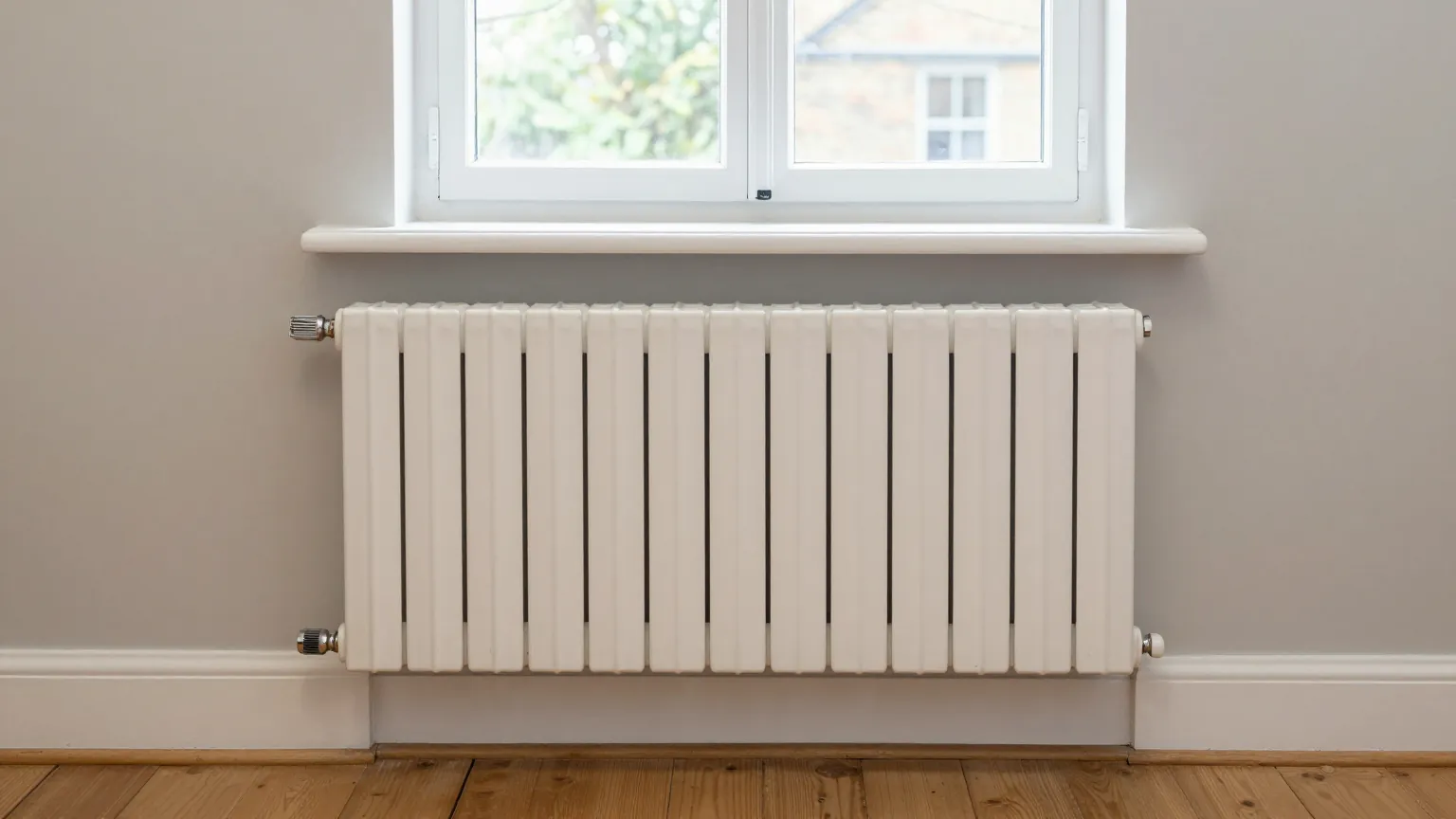
What that means for central heating and radiators in Highworth
Many houses use red brick for chimneys. This brick was made nearby. However, only 8 Brewery Street still has a thatched roof within the conservation area.
Welsh slate was used on some later buildings. However, you might need to check how central heating and radiators fit into these homes. For example, the Old Manor House is a Grade II* listed building.
Parts of it date from the late 15th century. Although it was converted into homes in 2004, it remains a significant site. Maintaining central heating and radiators requires care.
You should ask a provider about their work on historic homes. For example, the town has a deep history. Highworth received a market charter in 1206.
The weekly market still takes place in the town today. However, older property layouts often complicate modern heating installations. You may need specific solutions for these homes, because traditional pipes follow old paths.
You should consider how new pipes fit in these spaces. This helps you plan for any work.
Costs in Highworth
You should check UK cost guides for central heating and radiators in Highworth. These guides often list a new system at £3,500 to £5,000. If you are unsure which trade you need, see who fixes a boiler and who clears a drain. Prices vary because every job is different.
UK cost guides often place a standard radiator replacement between £150 and £250. However, prices change based on the specific job and the plumber. You can learn what to do about a leaking radiator for example. You might also consider a power flush since it cleans the system.
Published UK cost guides typically put a power flush at about £400 to £600. This price rises with the number of radiators. However, prices vary with the job, access and the plumber.
Reaching Highworth from Swindon
Highworth is about 7.7 miles by road from Swindon. This journey takes around 15 minutes by car. Because of this, we cover many nearby areas.
You can find services for central heating in Swindon. You can also look at central heating in Wroughton. We also cover central heating in Purton since we serve the region.
Questions to ask before booking in Highworth
Before you hire a provider, ask some questions. For example, ask how they handle work near landmarks. St Michael and All Angels is a Grade I listed church.
Its tower is a landmark across the area. You should also ask about older infrastructure. The Highworth branch line closed to passengers in 1953.
Since the area has varied history, a plumber should know local building needs. Always ask a provider what they hold. Ask to see their details in writing.
Getting in touch about Highworth
We help you find a local professional. We take details from our enquiry form. We then pass them to one pre-qualified plumber.
This plumber covers your area and your specific work. Using this service is free and carries no obligation. To start, get in touch or view our service areas.
Send an enquiry.